

Language certifications (TOEFL, DELF...)
Lira doesn't prep the exam format, it builds what the exam actually tests
No reading tool replaces dedicated prep for a certification's format. What Lira does well, alongside that: build reading comprehension and vocabulary in context, the foundation most of these exams are built on.
Start for freeQuick verdict
- ✗Lira alone: doesn't cover exam format (timing, question types)
- ✓Lira: builds reading comprehension and vocabulary in context
- ✓Use alongside dedicated exam prep, not instead of it
Quick verdict
- ✗Lira alone: doesn't cover exam format (timing, question types)
- ✓Lira: builds reading comprehension and vocabulary in context
- ✓Use alongside dedicated exam prep, not instead of it
Self-check
Where are you actually stuck on your certification?
4 questions to see if your weak spot is reading comprehension or something else.
Question 1 of 4
Faced with a formal-register article or text, you...
Most language certifications (TOEFL, DELF/DALF, Goethe-Zertifikat, DELE, CELI...) lean heavily on reading comprehension and precise vocabulary, often more formal than everyday conversation. Official prep methods cover the exam format, but rarely the repeated practice on real text that builds that comprehension in depth. Lira fills exactly that gap, and only that gap: it doesn't simulate the exam, grade your writing, or coach your speaking. You read texts close to the tested register, and vocabulary builds up session after session instead of being crammed once before the exam.
Preparing for an immigration or naturalization requirement
Not every certification here is about a university or a job. The Goethe-Zertifikat B1 is required for German naturalization and family reunification visas. DELF B1 (soon B2 for most applicants, following France's January 2026 requirement change) is required for French naturalization, see our dedicated French naturalization page for the exact requirement and recognized tests. TOEFL or IELTS cover study and work visas in several other countries. The reading comprehension and vocabulary these exams test don't change based on why you're taking them: Lira builds the same B1-level foundation whether the deadline is a semester abroad or a residency file.
4 concrete ways to use Lira in your prep, none of them a substitute for the real thing
Import past papers or texts of a similar register
If public past papers exist for your certification, import them directly (PDF or URL). Otherwise, formal news articles or essays on similar topics train vocabulary and syntax close to what's tested.
Build formal vocabulary with FSRS
Certification vocabulary is often more elevated than everyday speech. Every word you look up while reading gets scheduled for review at the right time, so it sticks by exam day instead of being crammed once beforehand.
Listen to pronunciation so you don't learn a word wrong
One click on a word while reading plays its real pronunciation. It doesn't train the exam's listening comprehension, but it stops you from attaching a word to an imagined sound.
Keep dedicated format prep running alongside it
Lira doesn't simulate the exam's timing or question types. Keep practicing on timed past papers and a dedicated method for the format while you read.
What you actually use
Formal vocabulary you run into in your reading turns into a review card, and your progress stays visible session over session.
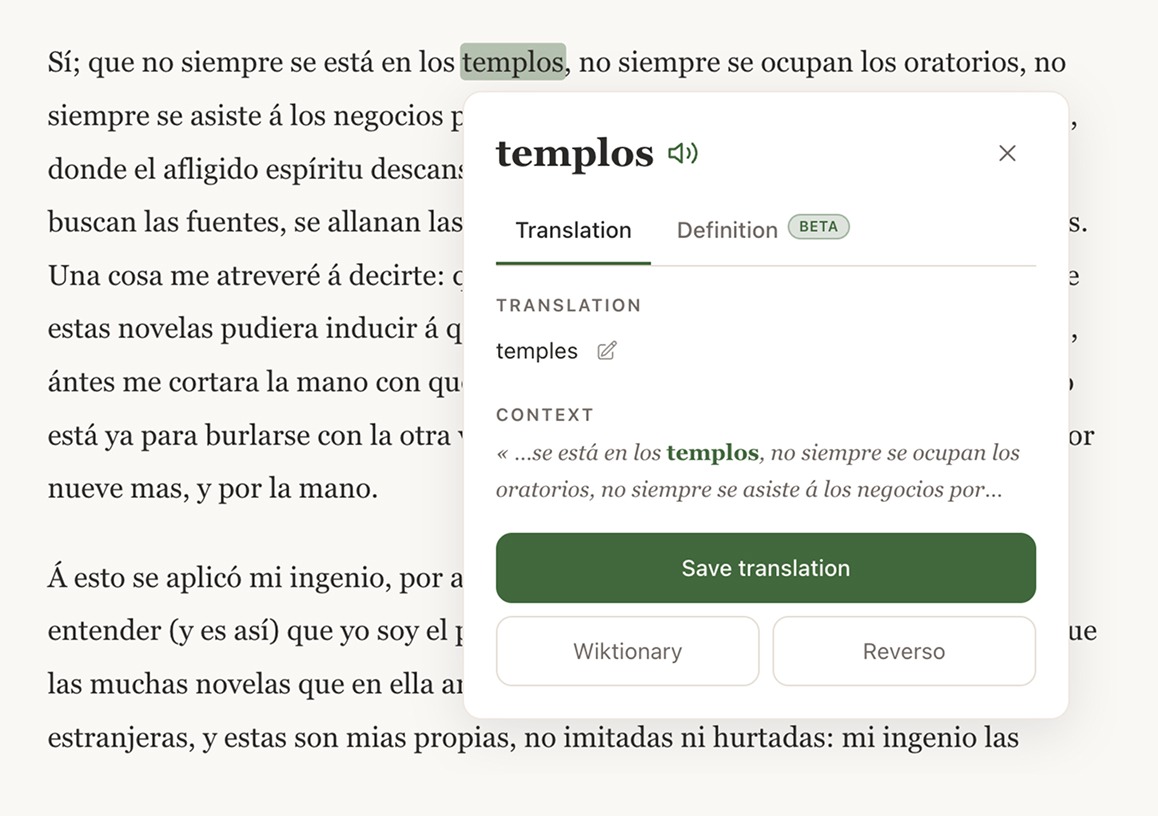
Vocabulary translated without leaving your reading
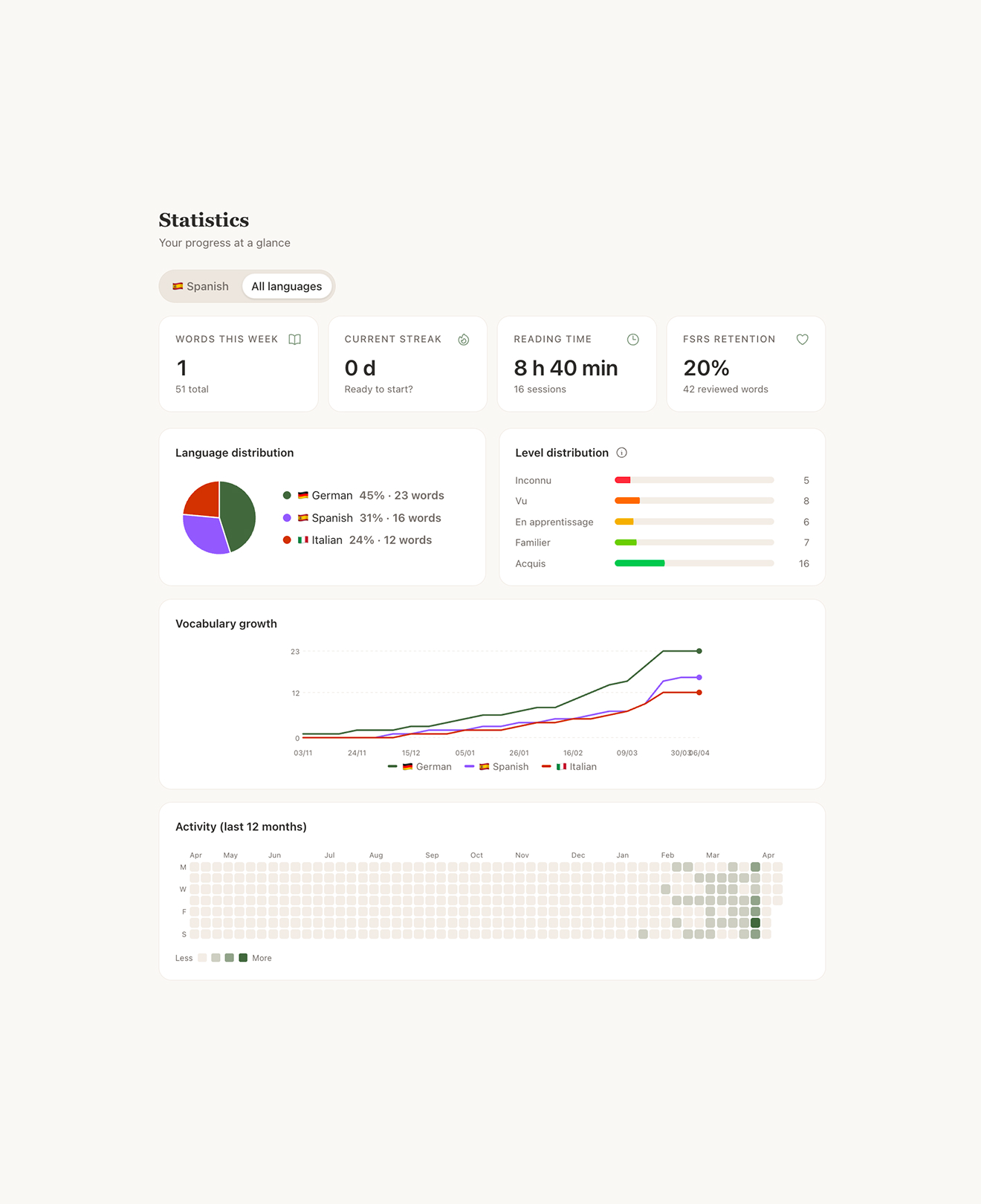
Your progress on formal vocabulary, at a glance
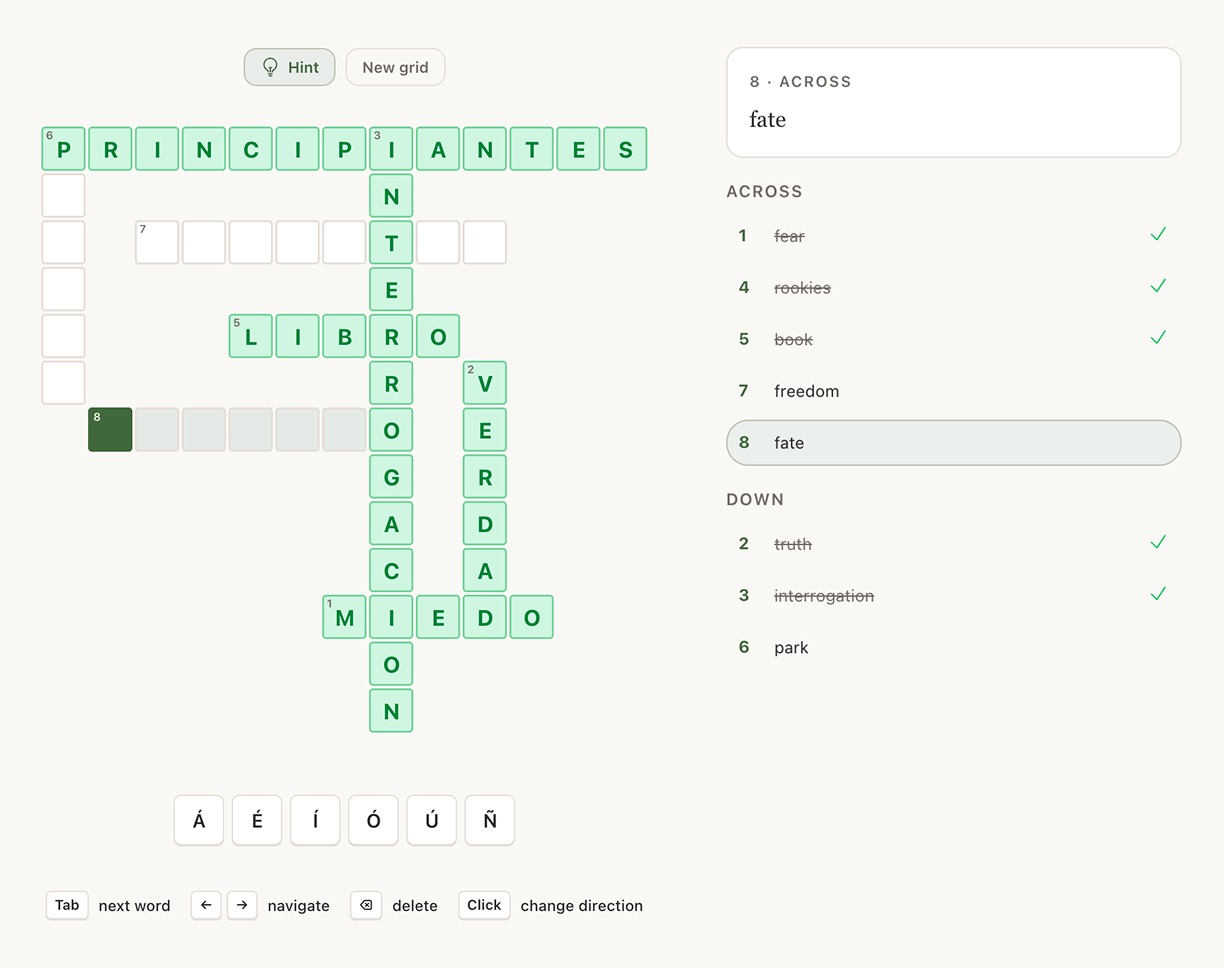
Vocabulary reviewed as a game
The science
Why a single review session isn't enough: spaced repetition (FSRS)
FSRS calculates, for every word you learn, the exact moment you're about to forget it, and resurfaces it right before that happens. Vocabulary reviewed once before the exam fades fast (the gray curve). With reviews spaced over several weeks, retention climbs in steps and stabilizes (the green curve): that's the difference between a word you vaguely recognize and one you understand instantly in an unfamiliar text, exactly what a reading comprehension section tests.
Formal vocabulary retention over time
I used a dedicated method for the DELF format, and Lira alongside it to read articles close to B2 level. Both together made the difference on reading comprehension.
Elise, 26
I never claimed Lira alone was enough for the TOEFL, but my academic vocabulary clearly grew faster than with flashcard lists.
Karim, 24
Easy to use alongside everything else, without feeling like one more exercise.
Sofia, 29
How to combine Lira with your official method
Neither replaces the other, and we're not pretending otherwise. Here's a realistic split of what each one is actually good at, so you can plan your prep time without guessing.
Your official method (DELF/TOEFL prep course, past papers...)
- Exam format: timing, question types, scoring rubric
- Writing and speaking practice, with feedback
- Official past papers under real exam conditions
- Section-by-section strategy and pacing
Lira, alongside it
- Daily reading practice at your real level
- Formal vocabulary that sticks, scheduled by FSRS
- Pronunciation on click, so you don't learn a word wrong
- 5 to 15 minutes a day, doesn't compete with your main study block
A realistic weekly split for most people: the bulk of dedicated study hours on format prep and timed past papers, plus 10 to 15 minutes a day on Lira for the reading and vocabulary that compound quietly in the background.
Prepping for a school exam (like a final) rather than an international certification? See our page dedicated to exam revision. And if it's your university requiring this score before a semester abroad, our study abroad guide covers that exact timing.
Go further
Best Books to Learn English at B1/B2 Level
9 English books suited to B1/B2 learners, from accessible 20th-century classics to contemporary novels, to push your reading past the beginner stage with Lira.
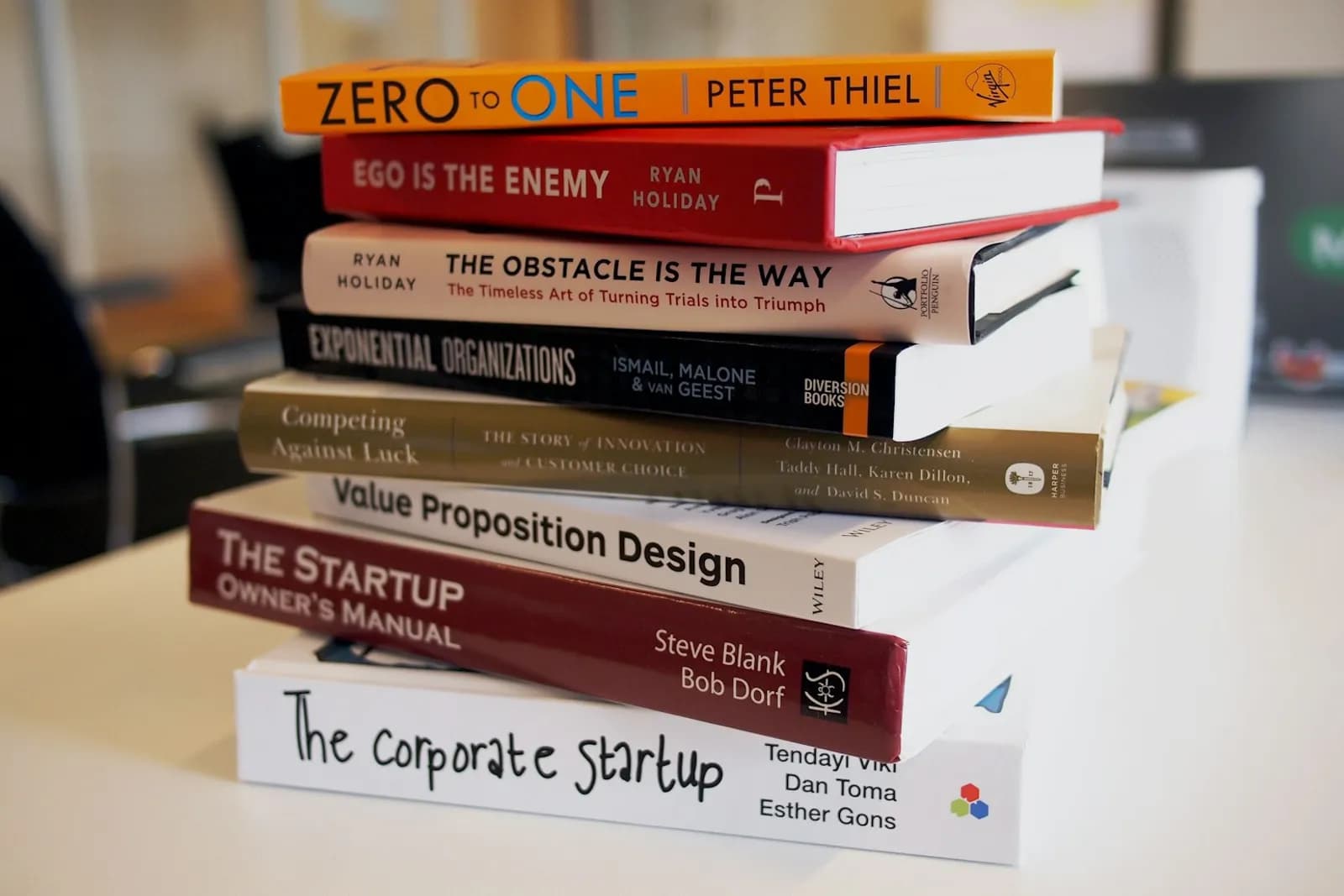
Learn a Language by Reading: The Complete Guide
How to learn a language by reading real texts: the research behind it, how much reading is enough, and a step-by-step method.
Extensive Reading: The Complete Guide to Learning a Language
Extensive reading means picking texts you already understand at 90-95%. Here's why it works, how to start with Lira, and how to avoid common mistakes.

Ready to build the reading comprehension the exam actually tests?
Start today, for free, with a text close to your target level. Keep your format prep running alongside it, Lira was never meant to replace that part.
Start for free